-
Finished middle school with a 3.7/4.0 CGPA, solid, not extraordinary, but enough to feel hopeful. Entered high school and chose Science, less as a calculated decision and more as a bet on myself.
-
Before high school began, I explored content writing, e-commerce, marketing, and fellowships. None worked out, but each failure taught me something, and I kept moving.
-
I stumbled into open-source like one discovers a hidden alley in a busy city, by accident, but never by mistake. I launched my first public projects, contributed on Github, and started leaving footprints in a digital world where age, location, and labels didn’t matter.
-
Class 11 arrived with its own storm. My grades dipped to a 2.6/4.0 CGPA, but strangely, I wasn’t shaken. That year taught me to uncouple academic metrics from personal growth. Not everything that counts can be counted.
-
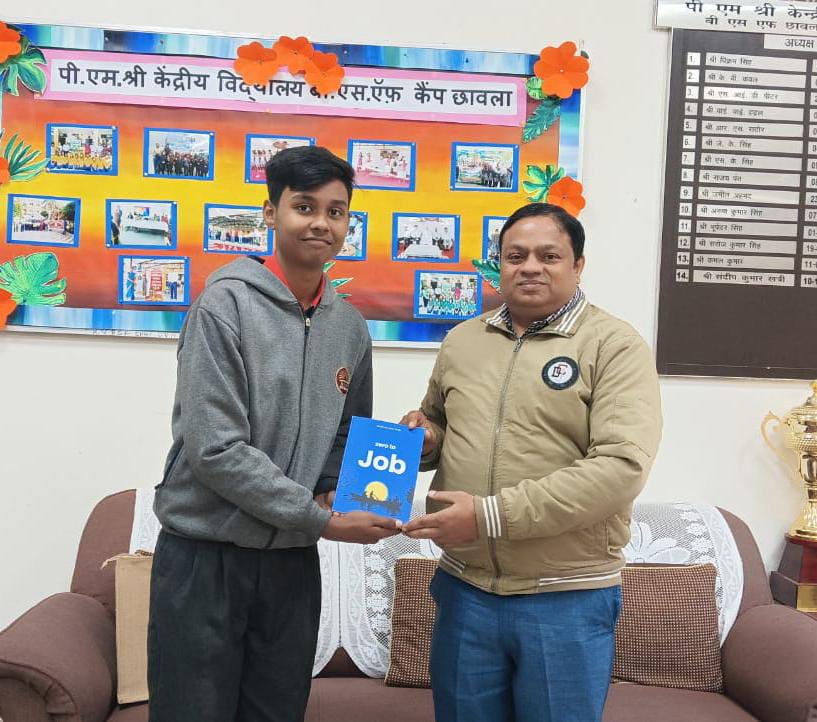
I am from an ordinary public school in India, where exposure to STEM or engineering wasn’t strong, and it wasn’t really encouraged either. I noticed that many juniors only saw Computer Science as making websites or apps. That gap led me to write Zero to Job, a guide to help students explore the broader landscape of IT careers. It started as a monetization idea but became a near-free resource focused on impact.
-
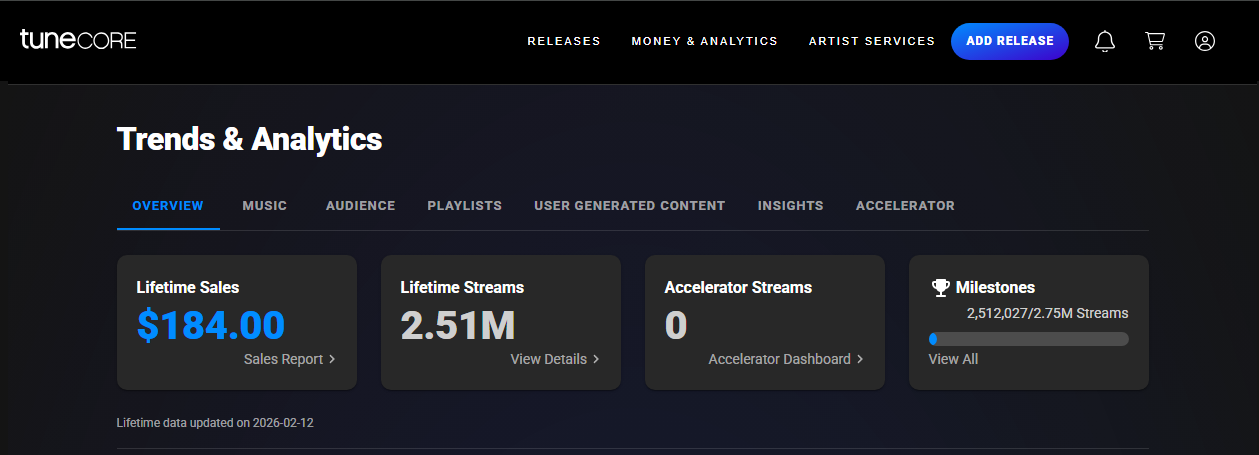
After many average experiments, one moment stood out: I posted a song casually, and it reached 2.5 million streams. I don’t take much credit for it; I think it was mostly luck. But it reminded me that outcomes aren’t always predictable.
-
The start of Class 12 was beautifully unproductive. For two months, I didn’t study a word. Instead, I caught feelings for a girl who never looked back. (“psst… she never even noticed”)
-
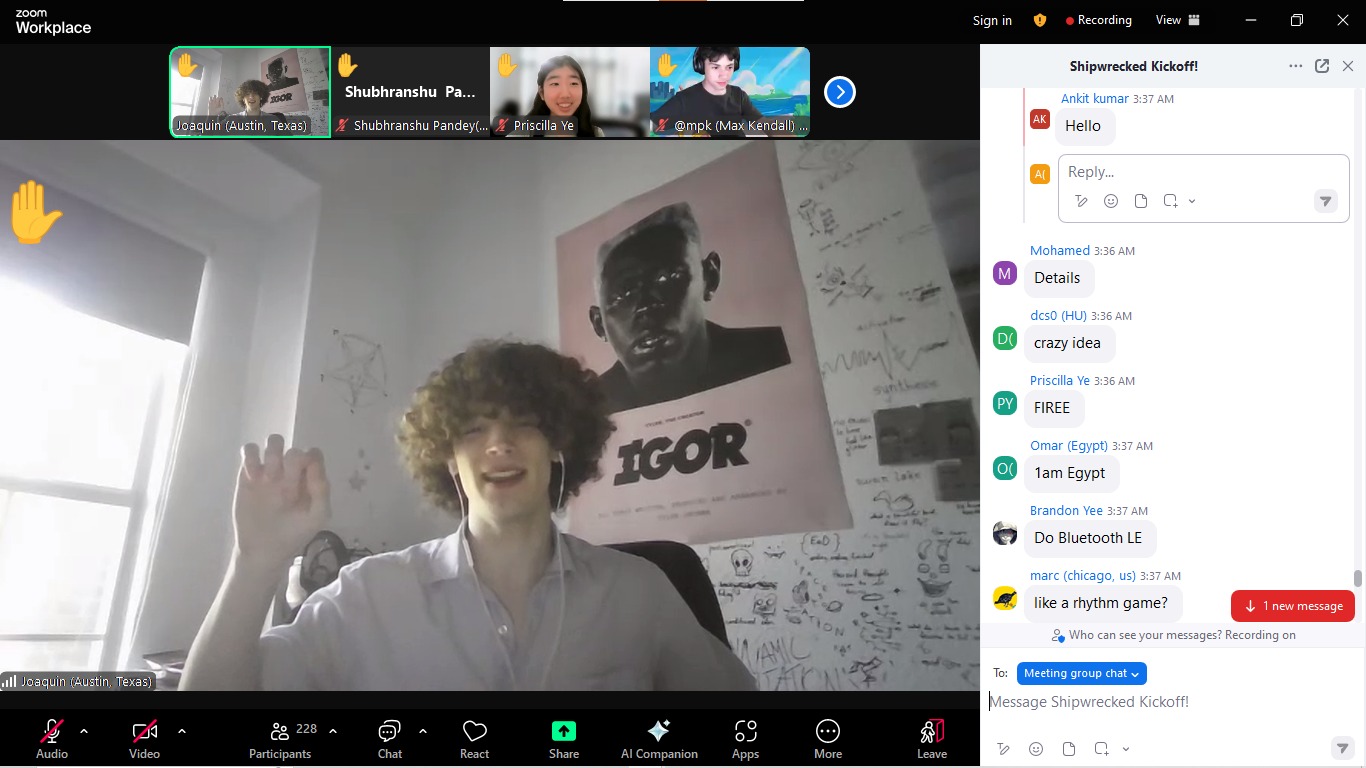
Eventually, I joined Hack Club, where I collaborated with others, built projects, and found a community that genuinely cares about creating things.
-
As a Program Manager at YIAW, a nonprofit organization, I designed programs for teenagers to connect with STEM. I worked on complete timelines: how the program would run, how management would function, and how to ensure the community stayed strong. I also had to make sure teens did not feel burnout, that the environment stayed collaborative, and that the overall flow of the program remained simple and easy to follow. I documented everything, created structured plans, and presented ideas and reports to my executives. After completing my journey, I was awarded the Best Volunteer Award. I still remember my lead saying, “Aryan, how are you always able to get your work done on time?” That moment stayed with me. I also earned 387 PVSA certified volunteering hours. More than anything, I earned trust there.

-
I started Deyweaver as a community open-source project with one simple mission: keep it free, always, even if cloud bills hate us. Later it became a nonprofit project fiscally sponsored by IFERS. Building it taught me a lot about nonprofit operations, especially IRS compliance rules, documentation standards, and how governance decisions affect real projects. The project is still small, but I learned a lot of open-source practice through it - proper workflows, CI/CD, GitHub Actions, and many GitHub patterns that are not even common in bigger repos. Honestly, I did all that not because the project got huge or because I was too busy, but because it was actually fun. While building Deyweaver, I lowkey acted like I was already some famous open-source dev, and weirdly, that mindset helped me build things the right way. Next step is scaling this model into more free software projects that run the same way, supported through corporate gifts and donations.
-
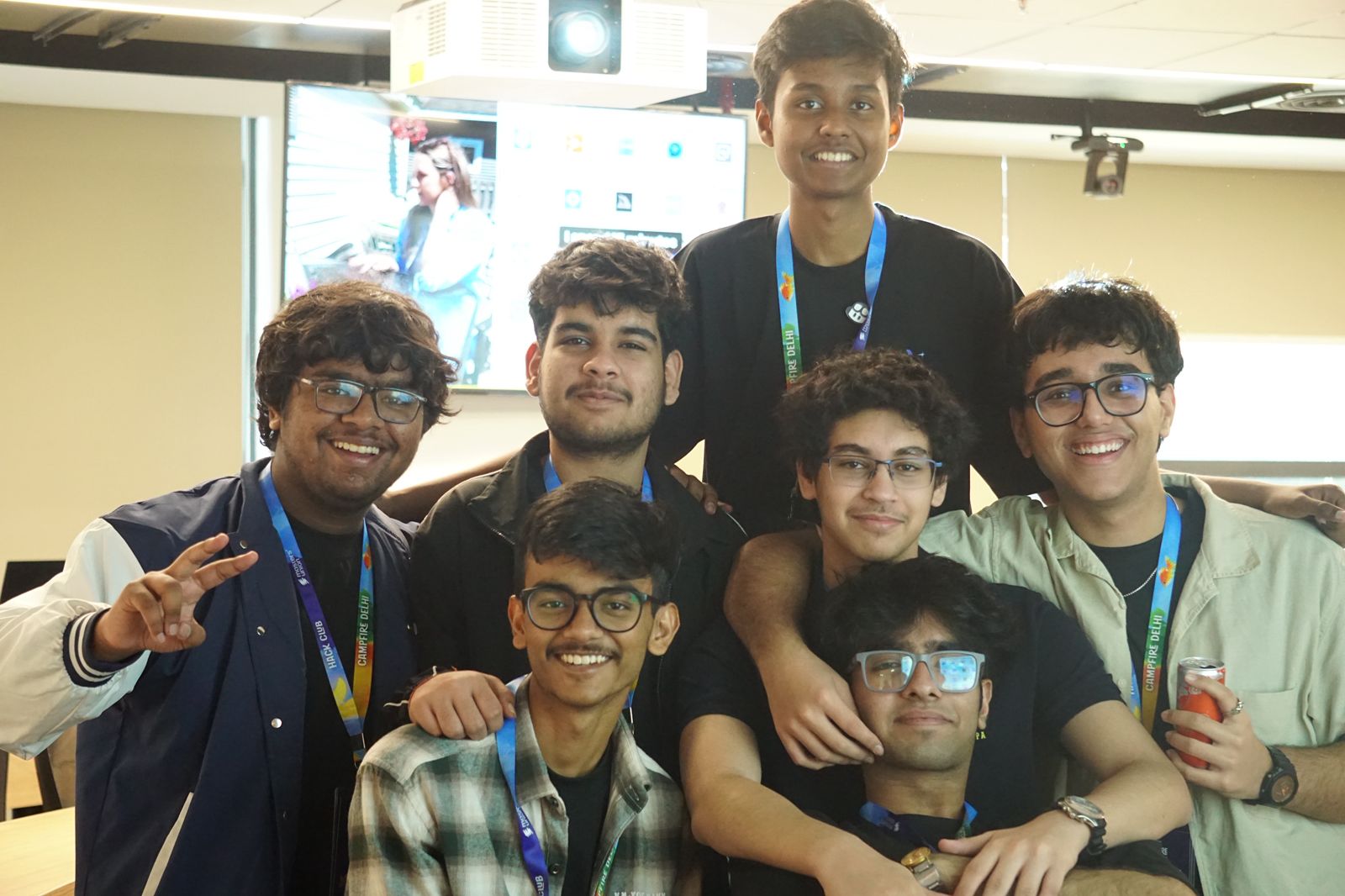
I applied to become the Lead Organizer for Campfire Delhi at Hack Club, and I got selected.
According to my regional manager, all the satellite events in Delhi were actually an absolute failure, with around 23% ship rate and ~21% NPS. That showed me that strong sponsors or venues don’t guarantee a strong community. When I organized Campfire Delhi, we reached around 90% ship rate and ~75% NPS, unexpected for a 100+ participant event. People joined from across India, and even after the event, our Slack community is still the most active Campfire Slack channel. Many couldn’t move on from the experience, some even added it to their Slack profiles. The event crossed the requirements for Trusted Organizer recognition from Hack Club. In a way, it felt ironic, not much was expected, but it became one of the strongest community experiences. For me, the most important outcome wasn’t the numbers, it was building a real sense of belonging.